Gentle care.
Better movement.
Explore non-surgical spinal decompression in Forest Hills, Pittsburgh, PA. Treatment may help manage certain types of disc-related discomfort as part of a personalized care plan.
Request AppointmentNon-Surgical Care
A non-surgical option for selected spinal conditions
Individual Assessment
Care based on your symptoms and examination
Targeted Treatment
Focused on spinal mobility and symptom management
Gentle Approach
Controlled traction tailored to your comfort
Ongoing Support
Guidance for movement and long-term function
How It Works
A gentle approach
to spinal care.
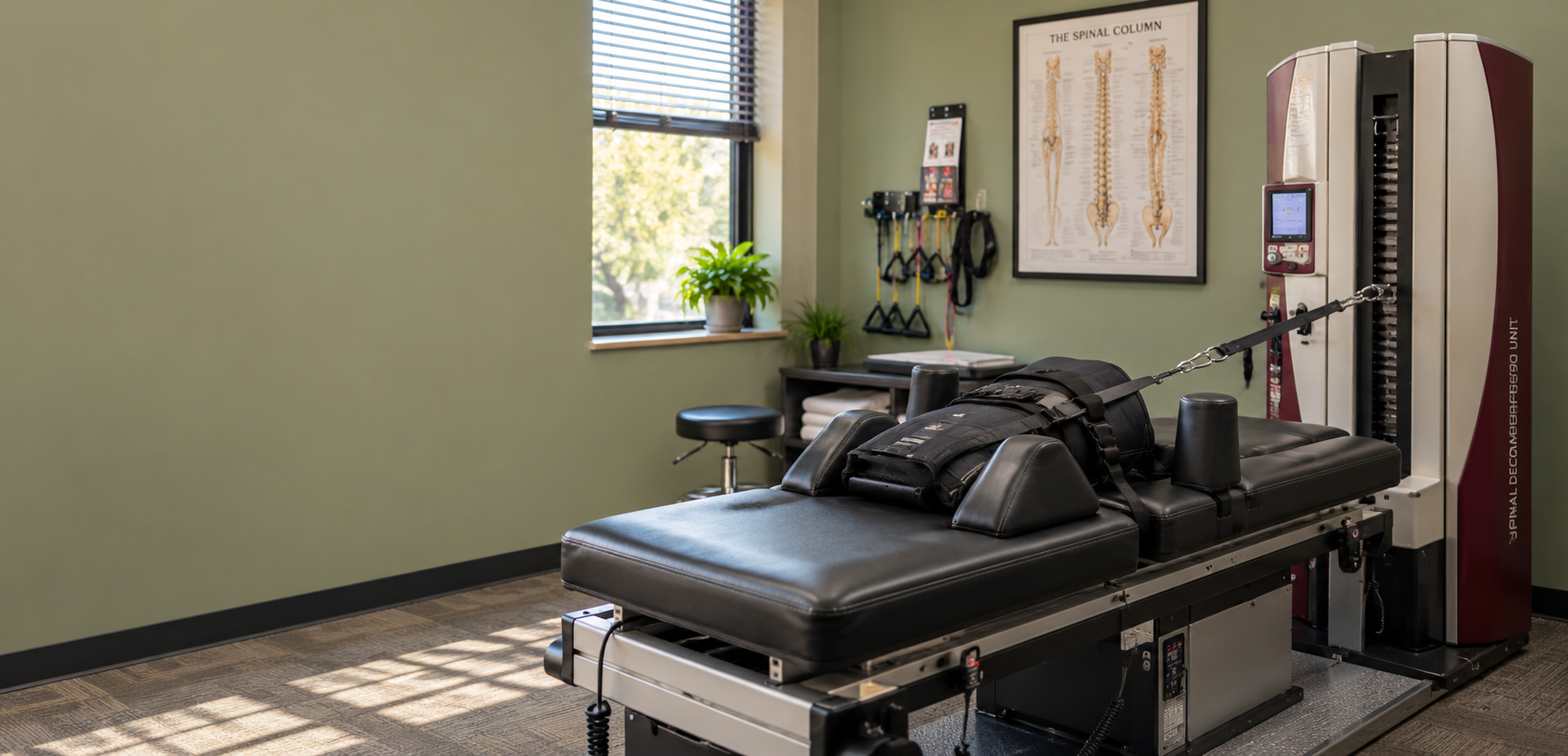
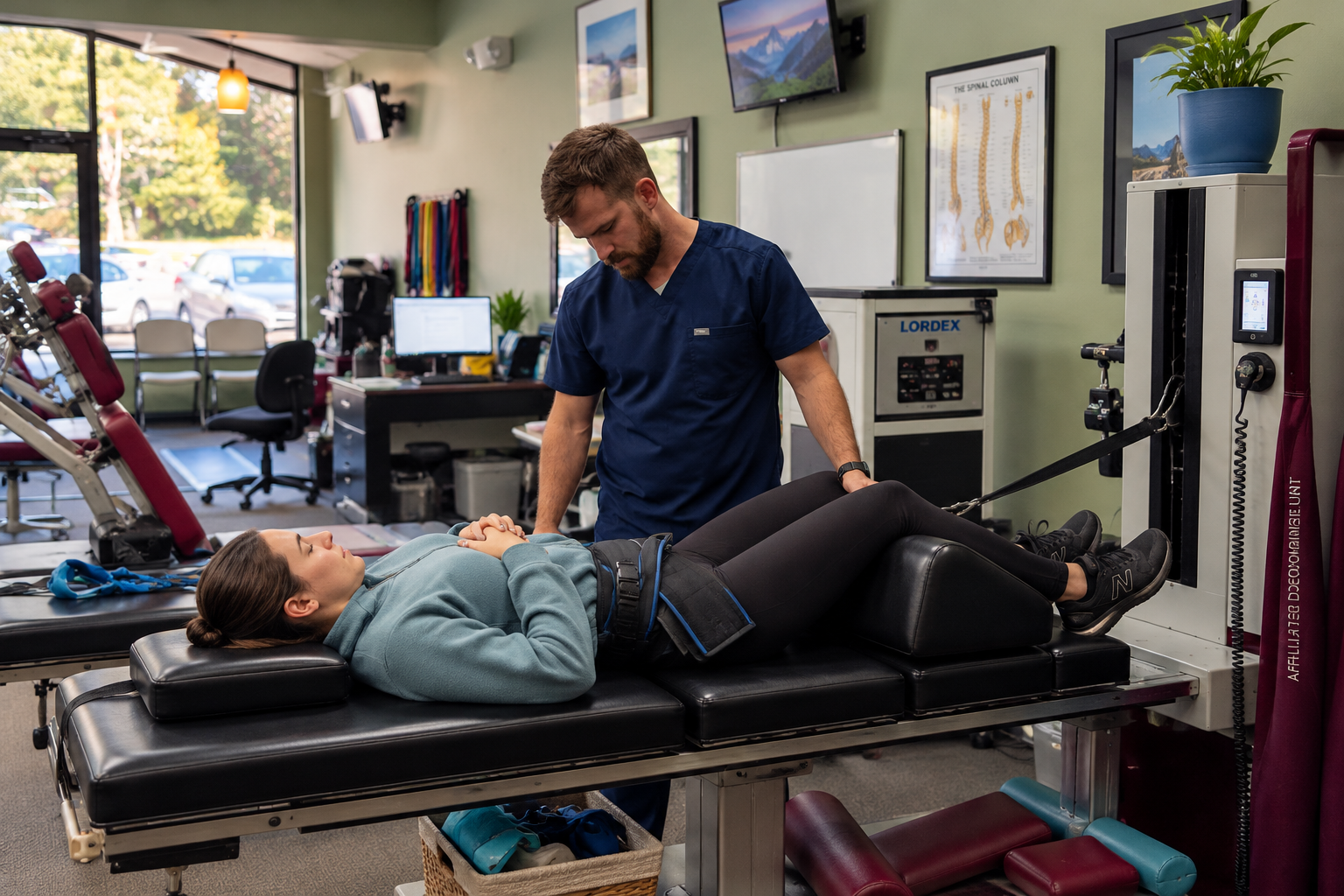
Non-surgical spinal decompression uses a specialized treatment table to apply controlled, intermittent traction to the spine. The goal is to gently change the forces acting on spinal structures and potentially reduce discomfort for appropriately selected patients.
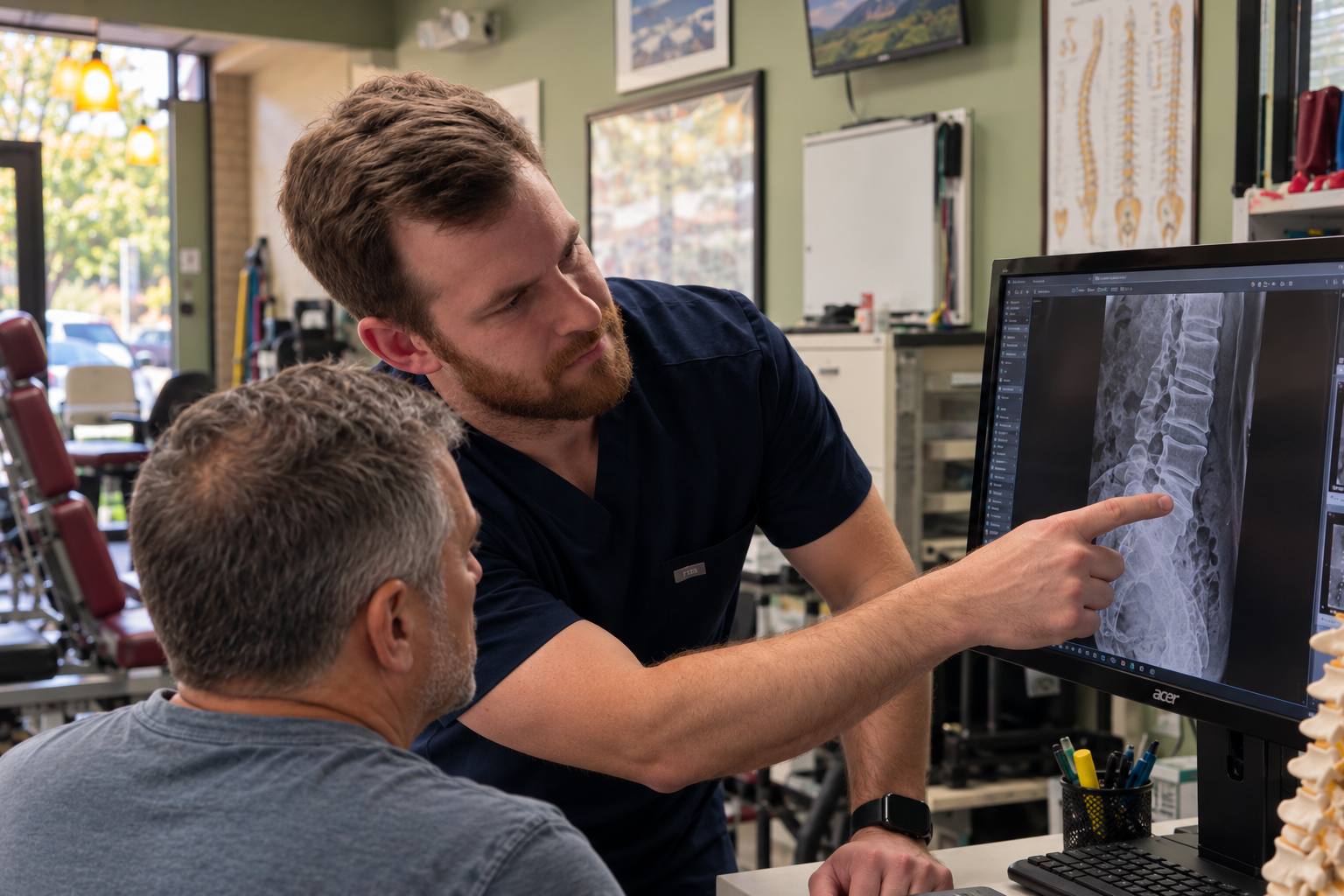
At Forest Hills Chiropractic, we evaluate your symptoms, health history, and movement needs before discussing whether spinal decompression belongs in your treatment plan.
The Benefits
An individualized approach to disc-related discomfort.
Spinal decompression therapy in Pittsburgh is one of several conservative treatment options that may be considered for certain types of back pain, neck pain, and disc-related symptoms. By applying gentle, controlled traction, this approach aims to reduce discomfort and support participation in everyday movement. Not every patient is a candidate, and results vary. At Forest Hills Chiropractic, recommendations are based on a clinical evaluation rather than a one-size-fits-all treatment schedule.
May ease disc-related discomfort
Non-surgical spinal decompression uses controlled traction to gently stretch the spine. For some patients with disc-related back or neck pain, this may provide short-term symptom relief as part of a broader treatment plan.
A conservative option for disc problems
People with certain bulging or herniated discs may be evaluated for decompression therapy. An examination helps determine whether traction is appropriate, because not every disc condition benefits from this approach.
May help selected cases of radiating pain
Pain, tingling, or discomfort traveling into an arm or leg can have several causes, including nerve irritation. Your clinician can assess whether spinal decompression or another form of care is appropriate.
Supports a movement-focused care plan
When symptoms improve, patients may find it easier to participate in mobility work, strengthening exercises, and everyday activities. Decompression may be combined with other conservative treatments when appropriate.
Personalized to your needs
Treatment settings, visit frequency, and other recommendations depend on your health history, examination findings, symptoms, and response to care. Results vary from person to person.
Non-surgical and generally outpatient
Spinal decompression does not involve surgery. Your clinician will review potential benefits, limitations, and contraindications before recommending treatment.
Who It Can Help
Explore related spinal and movement concerns.
Symptoms such as persistent back pain, sciatica, and neck discomfort can have different underlying causes. Explore the conditions we evaluate and learn more about available care options. Decompression is not appropriate for every condition.
Explore All Conditions